A place of rest
does not have to stage.
A medical refuge in the historic Kloster Beuerberg: retreat, modern medicine, nutrition and spaces for sustainable regeneration.
Beuerberg in peace.
History, nutrition and location are part of the character of this place. The following areas explain why the monastery is more than a beautiful backdrop for staying.
History
From 1121 to today.
Tradition
meets Modern.
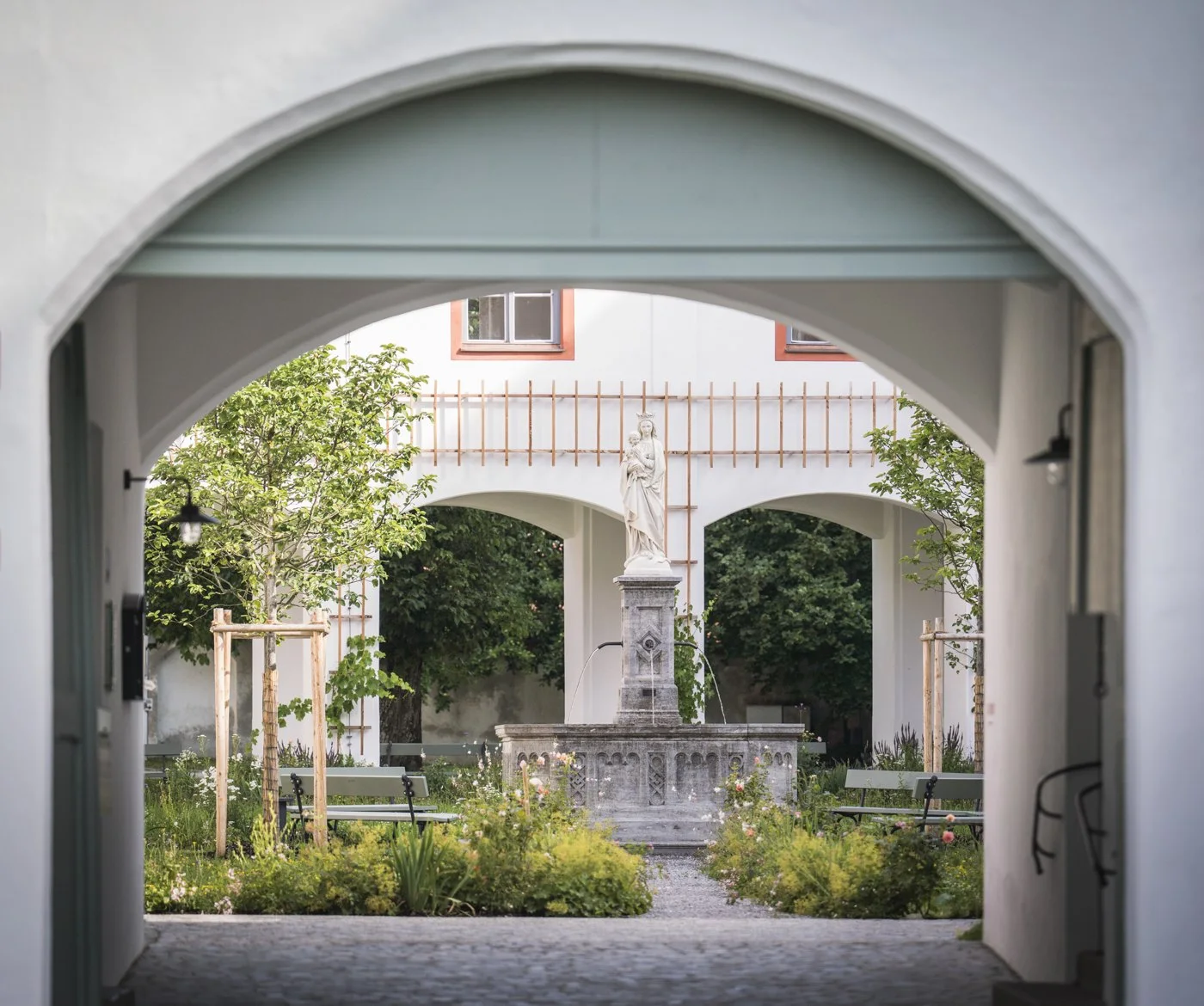
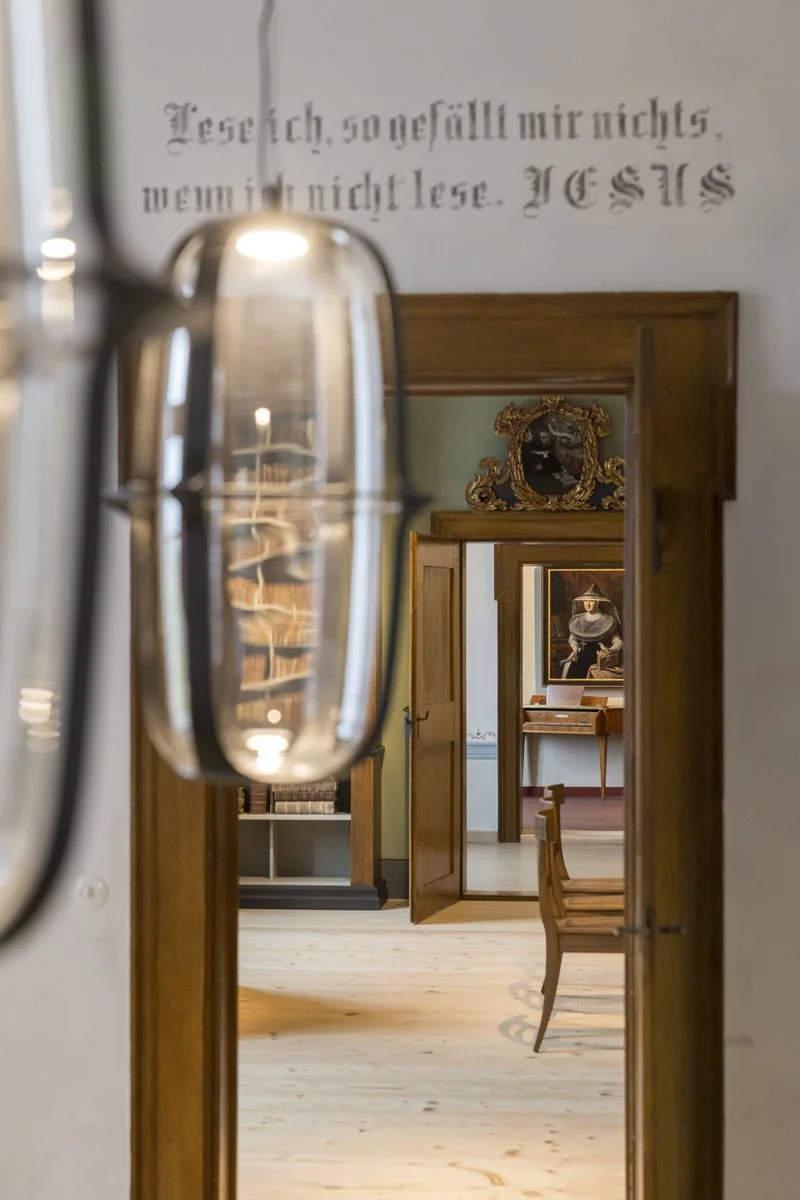
Kloster Beuerberg was founded in 1121 as Augustiner-Chorherren-Stift. In 1835, the Salesians moved in. For almost two centuries, the monastery was a place of care, care, practical health care – with medicinal herbs from its own garden, its own beer brewery and its own bakery. Self-sufficiency as a life principle.
This dual structure — community and retreat, healing and silence — shapes the place to this day. We do not see ourselves as a new use, but as a continuation of this grown order. Under the conditions of today.
Klosterküche
Klostergarten, Hildegard tradition, vital medicine.
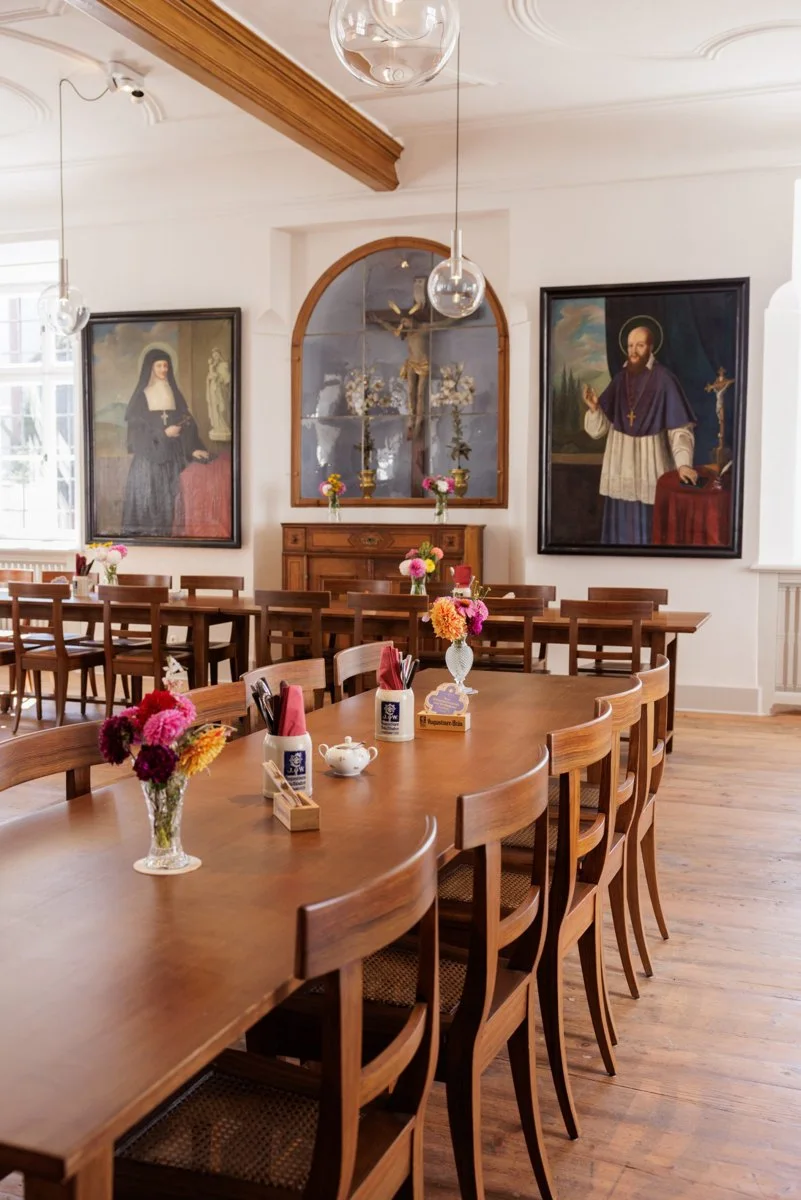
The table is part
of therapy.
What we eat, heals with us. This conviction was cultivated by the Salesians in Beuerberg for almost two centuries – we continue it. With the clarity of modern nutritional medicine and the depth of monastic medicine.
Regional, organic, often from your own monastery garden. Medicinal herbs according to the writings of Hildegard von Bingen. Bread that is baked here. Meals in the historic refectory — three a day, each a quiet moment.
Three sources.
A kitchen.
Our diet is based on three pillars – each with roots in the monastic tradition, each with substance in today’s vital medicine.
Klostergarten
- Own organic cultivation
- medicinal herbs, roots, berries
- Seasonal, regional, uninjected
- Farmers from the Pre-Alpine Country
- Fresh fish from domestic lakes
Hildegard tradition
- Tinctures of medicinal plants
- Ointments and creams according to historical recipes
- healing liqueurs and infusions
- Smokes and Aromatics
- Manufactured in the historical monastery pharmacy
Vital medicine
- Anti-Inflammatory Nutrition
- microbiome-promoting food
- interval fasting according to indication
- micronutrient optimized
- Personal plan after diagnosis
Craft that Connected.
Some things can only be understood if you do them with your hands. In small rounds we return to what community in the monastery has always been – doing together, quiet learning, ancient art.
In the historic bakery, with spelt and long dough tour. What you learn here, you can continue at home.
With monastery cooks and vital medicine specialists. How therapy goals and enjoyment meet at the table.
Bavarian brewing tradition as craft. Moderate, with care, with wisdom for hops and yeast.
In the historical monastery pharmacy. Tinctures, ointments, infusions—according to Hildegard and to modern pharmacology.
The situation
Between Starnberger See and Voralpen.
Intact Hearts
of the pre-Alpine country.
Beuerberg is located between Lake Starnberg and the Bavarian Pre-Alps – nestled in a landscape that is itself part of the therapy. Quiet meadows, clear air, the view of the mountains. And yet only a short drive away from Munich.
-
5 minFor Starnberger See — one of the most beautiful lakes in Bavaria, with mountain views and crystal clear water.
-
DirectAt the Loisach — the wild romantic river that flows through the Klostertal. Walks right outside the door.
-
2 min.To one of the most beautiful golf courses in Germany — embedded in the pre-Alpine landscape.
-
35 min.After Munich — airport, central station, city centre. Reachable without the big city ever being felt.
-
in sightThe Bavarian Pre-Alpines — Benediktenwand, Brauneck, Herzogstand. Mountain tours from the front door.
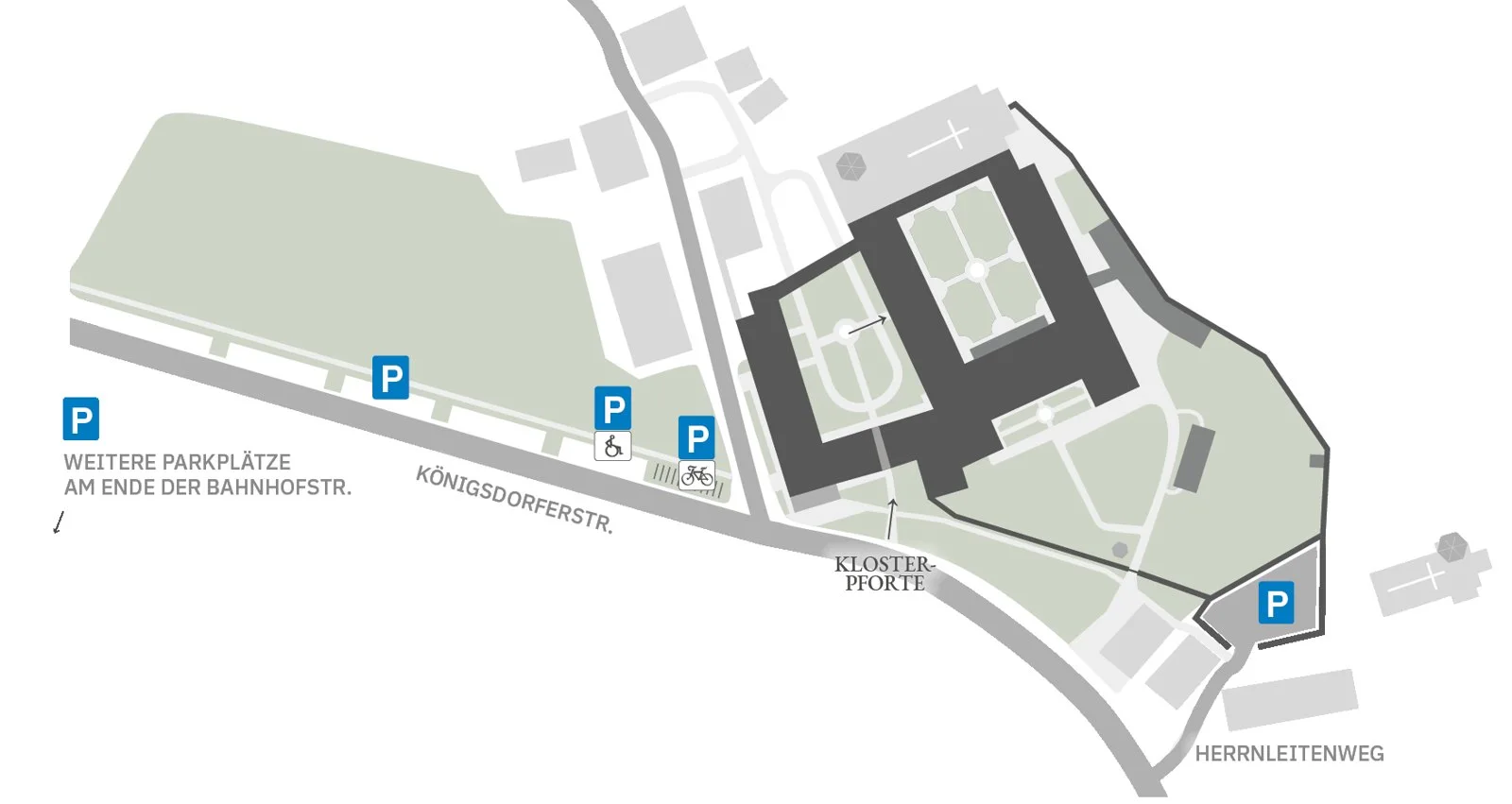
Parkmöglichkeiten und Klosterpforte am Kloster Beuerberg. Anreise über die A95 (Ausfahrt Seeshaupt/Beuerberg) oder mit der Bahn bis Wolfratshausen.